
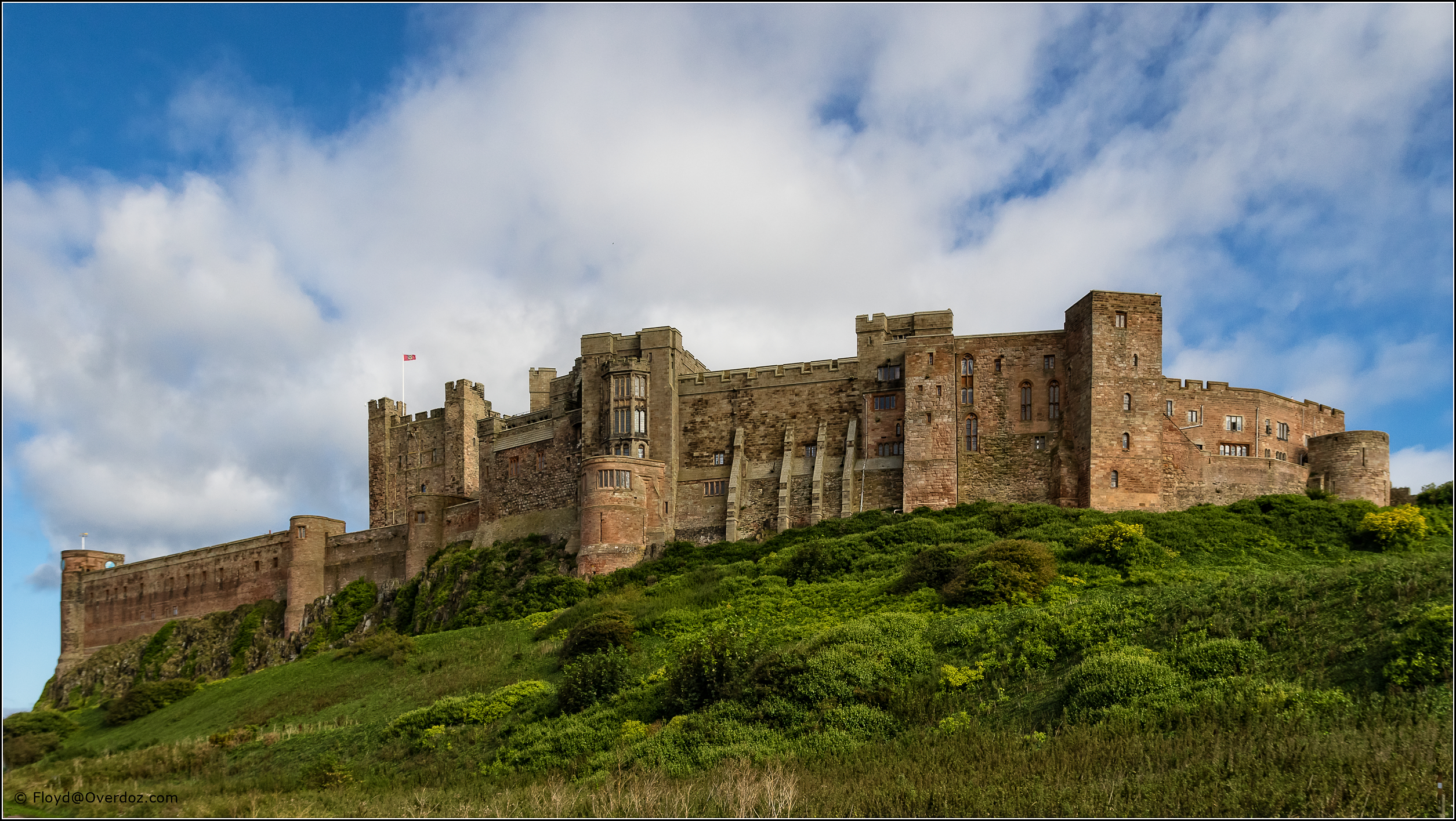
Close your eyes. Imagine a castle. Picture it in your mind. What does it look like? What is it made of?
Now think of the towers. Are they square? Round? Tall? Short? Do they have windows?
I have a point, I promise you.
The thing is, you could have imagined a variety of designs. Castle design changed repeatedly over time. For example, the castle which gave Newcastle its name was a Norman castle, put up in 1177. It is tall, square, and made of stone – but it replaced a wooden motte and bailey castle built in 1080. Two very different designs, different materials, a century apart.
The Norman keep was more fireproof, had high walls, was easily defensible, and was pretty quick and cheap to build. But there were known flaws – round towers reduced blind spots, and was actually better at dealing with catapult shots. They were more likely to glance off, basically. They were also harder to undermine – one technique for getting in to a castle was to undermine the corner of a tower, until it collapsed. That was harder with a round tower.
And then there was defence in depth – layered walls, meaning attackers had to get through more than one barrier. Rings of walls, protecting the core.
Then along came gunpowder. The old designs were vulnerable,
When siege cannons arrived, castle design adapted. Towers became shorter, with thicker walls, because cannons could project more force into a wall at one time. All the walls became thicker. Oddly, straight lines returned – the design of the exterior was dictated by the interior, which needed more room to house the defenders cannons. Different designs appeared – star fortresses, giving overlapping fields of fire.
Quick LinkedIn pivot – “Here’s what medieval castle design taught me about modern business!”
Anthropic has been banging on about how their new Mythos model is too dangerous to release to the public, and only pre-approved companies can be allowed access. Great marketing. And some of their claims may even be true, about finding security flaws all over the place.
But this is just one point in the story. The ways to attack our defences have changed, evolved. Right now, those tall walls are being hit by new cannons, and holes are being punched into them. The next step, though, is that those holes get patched up. That new designs are made. That the defences evolve.
It’s always scary when you’re going through a shift like this, as new tools, and new technologies, mean you have to change what you’ve always done, that what you previously thought was solid shifts beneath you. But it is also part of the job. The rate of change in IT never lets up. There will always be things that change, that mean you need to adapt.
So close your eyes, think of a castle, and start to think how you can improve it.

Trevor Roberts is a programme and project management consultant and the founder of Dull Industries – a consultancy focused on project turnaround, AI implementation, and digital strategy.